

Everyone gets stranded eventually. A dead battery in a parking lot. A flat tire on the way to work. Keys locked inside the car.
Most of these problems don’t need a tow truck. They need someone who shows up fast with the right tools and fixes it in 20 minutes. That’s the gap you can fill, and it lets you skip the most expensive part of the industry.
This guide covers the services to offer, what it costs, the legal basics, pricing, and how to get your first customers.
In short
- You can start with your own vehicle and a few hundred dollars of tools
- Jump starts, tire changes, lockouts, and fuel delivery cover most calls
- Sort out insurance and local rules before your first job
- Memberships and business partnerships bring steady income
What Is a Non-Towing Roadside Assistance Business?
It’s a mobile service that helps stranded drivers without moving the vehicle. You drive to them, fix the problem, and leave. If the car can’t be fixed on-site, you refer them to a tow company.
Services You Can Offer Without a Tow Truck
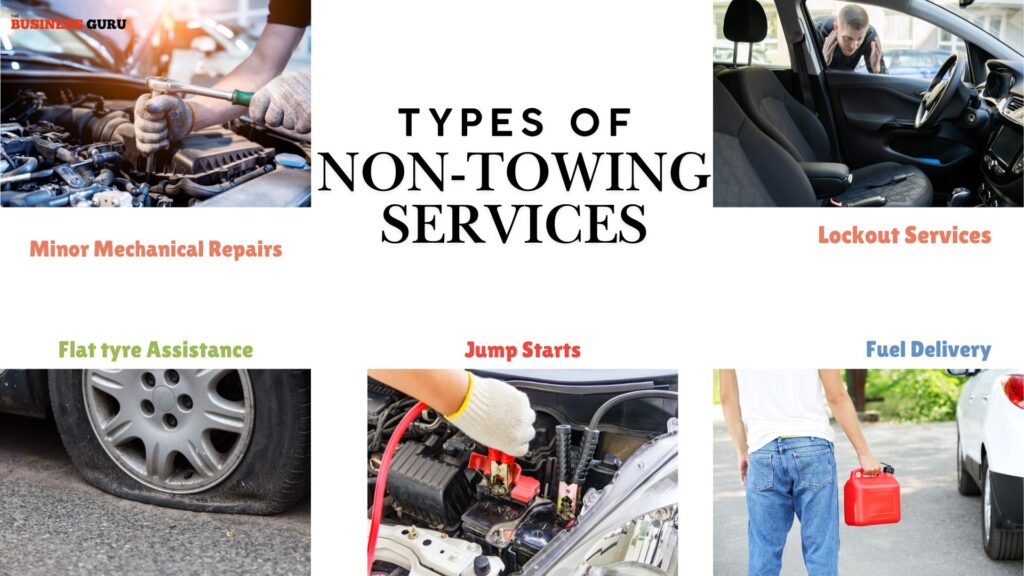
| Service | What You Do | Difficulty |
|---|---|---|
| Jump starts | Restart a dead battery with a portable jump starter | Easy |
| Flat tire changes | Swap a flat for the customer’s spare | Easy |
| Tire inflation | Refill a low tire so the driver can reach a shop | Easy |
| Lockout help | Open a locked vehicle without damaging it | Medium, needs training |
| Fuel delivery | Bring fuel to a driver who ran out | Medium needs safety rules |
| Battery replacement | Test and replace a battery on the spot | Medium |
If you’re new, start with jump starts, tire changes, and inflation. They need the least equipment and training.
Why Demand Keeps Growing and How to Utilize It
More vehicles mean more breakdowns, and newer cars with complicated keys and electronics cause more lockouts. Many drivers also have no roadside plan and prefer a quick, fair-priced fix over waiting hours for a big company. [Add 1 or 2 recent stats here with source links.]
Step 1. Research Your Local Market
Search “roadside assistance near me” and call a few companies as if you were a customer. Note their services, prices, arrival times and what their reviews complain about.
Slow arrival and surprise fees are the most common complaints. If you can be faster and more upfront, that’s your edge. You can also find a niche, such as 24/7 service, fleet accounts, or a specific airport or highway.
Step 2. Write a Simple Business Plan
A plan keeps you from guessing. Cover your services, competitors, marketing, service area, startup costs and break-even point, meaning how many calls per month you need to cover your costs. For help, see our guide on what to do after creating a business plan.
Step 3. Handle the Legal Basics
Rules differ by state and city, so check with your local authorities before you start.
Step 4. Get Your Equipment and Vehicle
You can start with your car or a used pickup and upgrade later.
Step 5. Price Your Services
Work out your cost per job first: travel time, fuel, insurance, wear on your vehicle, and your own time. Then compare with local competitors.
Step 6. Get Your First Customers
Roadside customers want a fast, local, trustworthy answer, so focus on being easy to find at the moment they need you.
What It Costs to Start
These are rough estimates. Get actual quotes before you budget.
| Item | Rough Cost |
|---|---|
| Jump starter, tire tools, inflator | A few hundred dollars |
| Lockout kit and training | A few hundred dollars |
| Safety gear and fuel cans | Under $400 |
| Licenses and registration | Varies by area |
| Insurance | Often the biggest ongoing cost, so get quotes |
| Vehicle | $0 if you use your own |
To keep costs low, begin with jump starts and tire changes, then add other services as money comes in.
Key Components of a Business Plan
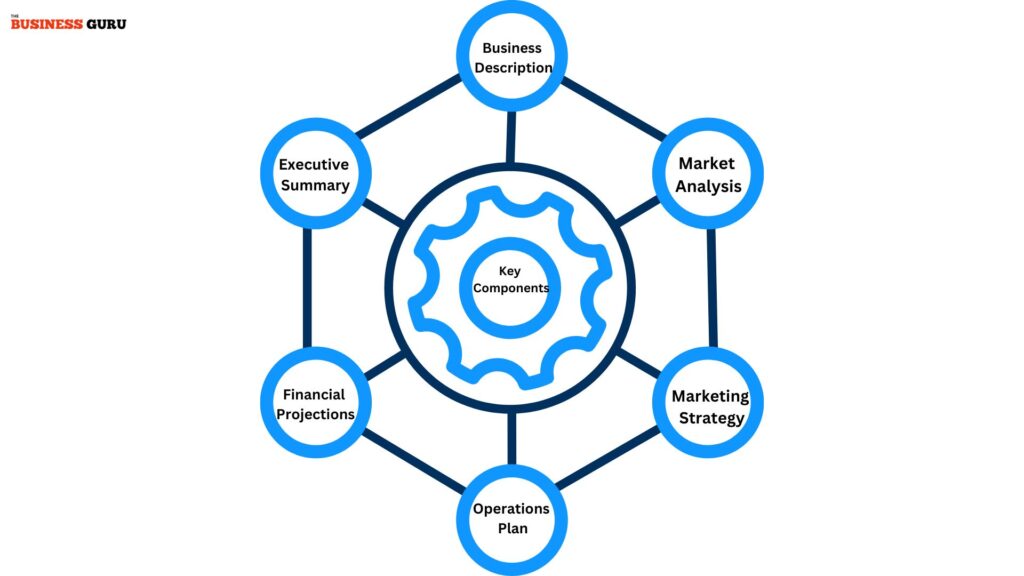
When drafting your business plan, consider including the following sections:
1. Executive Summary: A brief overview of your business concept, mission statement, and key objectives.
2. Business Description: Detailed information about your roadside assistance services, target market, and unique selling propositions (USPs).
3. Market Analysis: Summarize your research findings on market demands, competitors, and customer demographics.
4. Marketing Strategy: Your plan for attracting customers, including advertising, pricing, and promotional strategies.
5. Operations Plan: Describe how you will run your business, including services provided, customer service strategies, and logistics.
6. Financial Projections: Estimated startup costs, revenue forecasts, and break-even analysis to assess financial viability.
Setting Up Your Roadside Assistance Business
Equipment and Tools
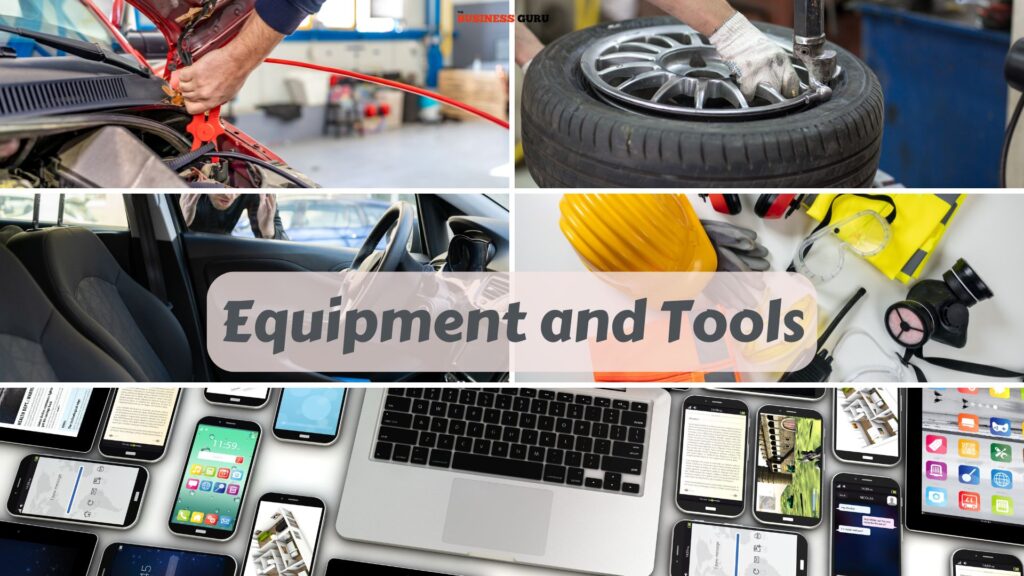
You’ll need specific equipment and tools to provide roadside assistance services effectively. Essential items include:
• Jump Starter Kit: A portable jump starter to help customers with dead batteries.
• Tyre-changing equipment: Include a jack, lug wrench, and tyre inflator to assist with flat tyres.
• Lockout Tools: Tools for assisting customers who have locked themselves out of their vehicles (e.g. lockout wands).
• Roadside Safety Gear: Safety cones, reflective vests, and flashlights for visibility and safety during service calls.
• Communication Devices: A reliable smartphone and two-way radio to coordinate with clients.
Operational Approaches
Decide how you will deliver your roadside assistance services. Key operational approaches could include:
• Mobile Unit: Operate a mobile unit to respond to roadside emergencies directly and efficiently.
• Online Booking System: Implement an online scheduling system or app to allow customers to book services easily and track responders.
• Centralized Call Center: If you plan to scale your operations in the future, develop a central call handling system.
Effective Marketing Strategies
Creating an Online Presence
In today’s digital age, establishing an online presence is essential for attracting customers. Key components to consider include:
• Website: Create a professional website that showcases your services, pricing, and contact information. Make sure it’s mobile-friendly so potential customers can access it from their phones.
• SEO Optimization: Implement search engine optimization (SEO) best practices to improve your website’s rankings and visibility in local searches.
• Social Media: Use platforms like Facebook, Instagram, and Twitter to promote your services and engage with your community.
Local Advertising
Consider utilizing local advertising strategies to reach potential customers:
• Business Cards: Distribute business cards at local events, service stations, or convenience stores.
• Networking: Attend local business expos and community events to connect with potential clients and partners.
• Local Listings: Create profiles on Google My Business, Yelp, and other local business directories to increase visibility.
Promotions and Incentives
Attract customers through promotional offers and incentives:
• First-Time Discounts: Offer discounts to first-time customers or special referral rates.
• Seasonal Promotions: Consider running seasonal campaigns to draw attention during holidays or peak travel seasons.
Managing Your Roadside Assistance Business
Customer Service Excellence
Ensuring exceptional customer service will set you apart from the competition:
• Open Communication: Communicate clearly with customers throughout the service process and provide updates on estimated arrival times.
• Feedback and Reviews: Encourage customers to leave feedback or reviews that you can showcase to attract new clients.
Tracking and Analyzing Performance
Regularly monitor your business performance to gain insights into areas for improvement:
• Data Collection: Use tools and software to collect data on service requests, customer satisfaction, and revenue.
• Adjust Strategies: Use collected data to evaluate your marketing efforts, pricing models, and customer service practices, making adjustments as needed.
Expanding Your Services
As your business grows, consider expanding service offerings to meet increasing demand:
• Partnerships: Develop partnerships with local businesses, such as auto repair shops, to provide complementary services.
• Diversification: To enhance revenue potential, consider offering additional services like vehicle inspections or maintenance checks.
Final Thoughts
You don’t need a tow truck to build a roadside assistance business. You need a reliable vehicle, the right tools, solid insurance, and a reputation for showing up quickly and charging fairly.
Start small. Pick two or three services, set your prices, get your Google listing live, and ask your first customers for reviews. Then add services one at a time.

